Chinese Character Art: Words Become Pictures Of The Words!

From Tiexue:

Being able to write Chinese characters like this, so talented
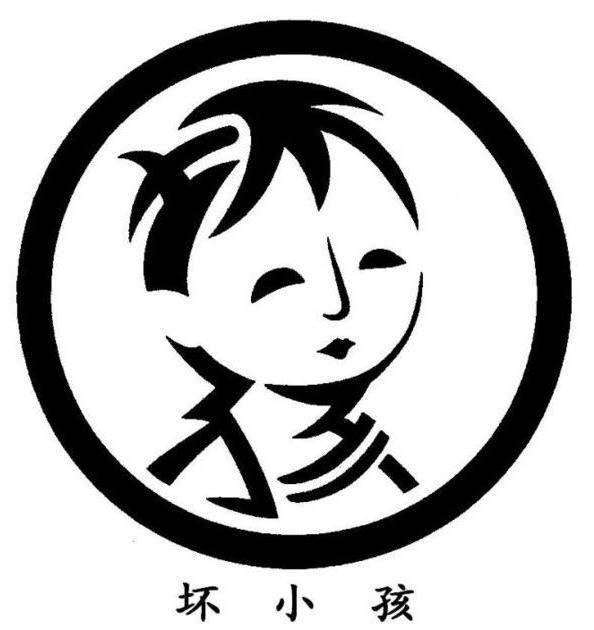
Chinese Character Art: Bad Child (怀小孩 huai xiao hai)

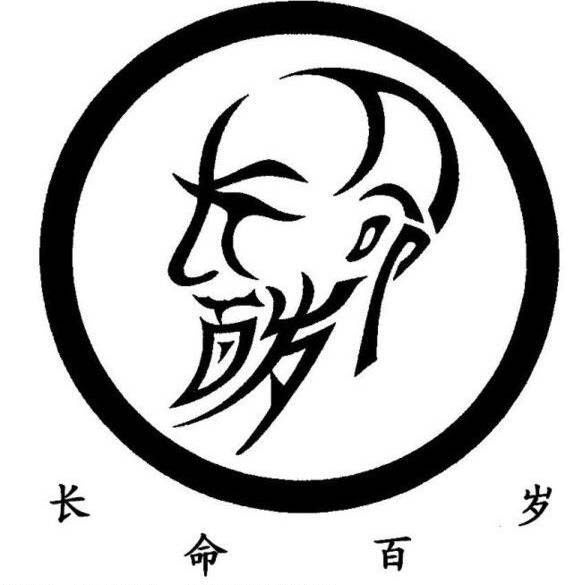
Chinese Character Art: Long life (长命百岁 chang ming bai sui)

Chinese Character Art: Happy Prince (快乐王子 kuai le wang zi)

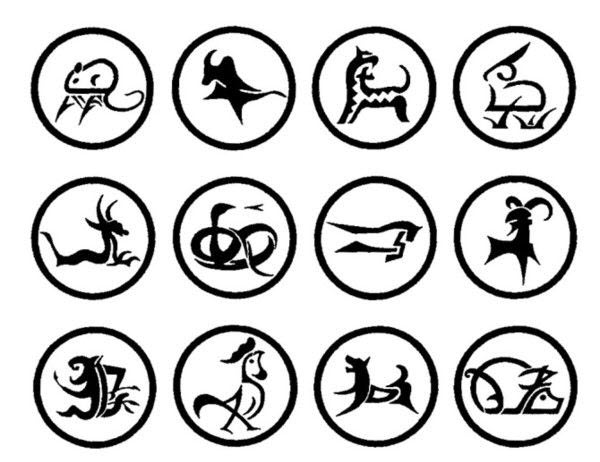
Chinese Character Art: Chinese Zodiac signs

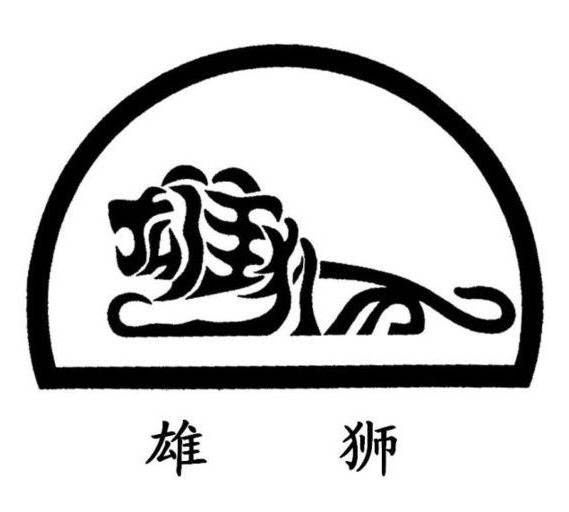
Chinese Character Art: Male Lion (雄狮 xiong shi)

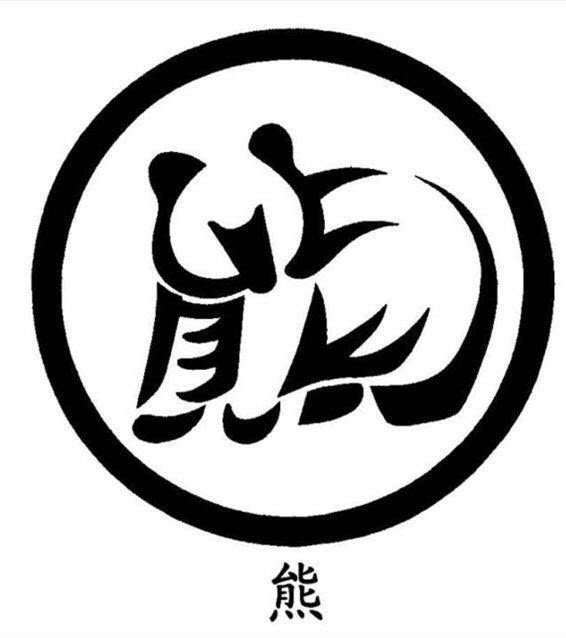
Chinese Character Art: Bear (熊 xiong)

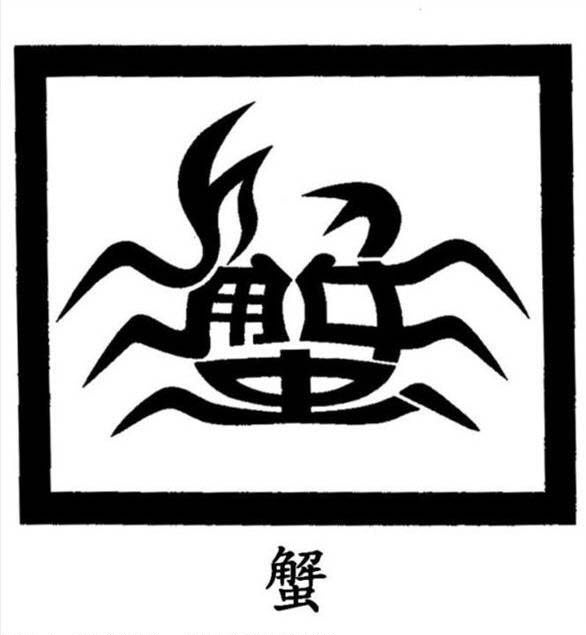
Chinese Character Art: Crab (蟹 xie)

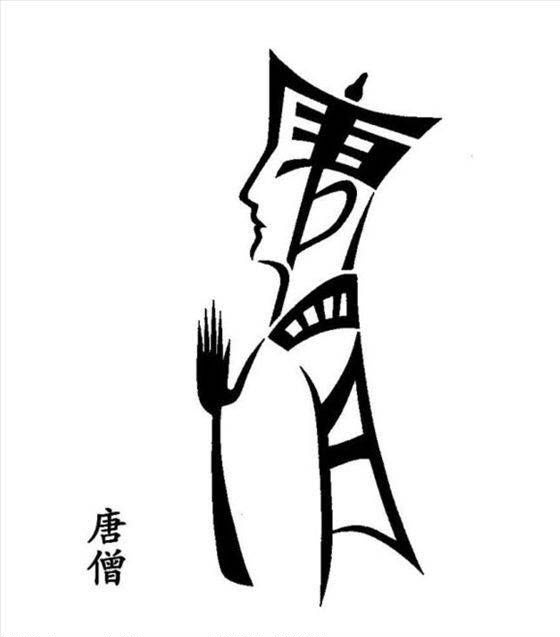
Chinese Character Art: Tang Monk (唐僧 tang seng)

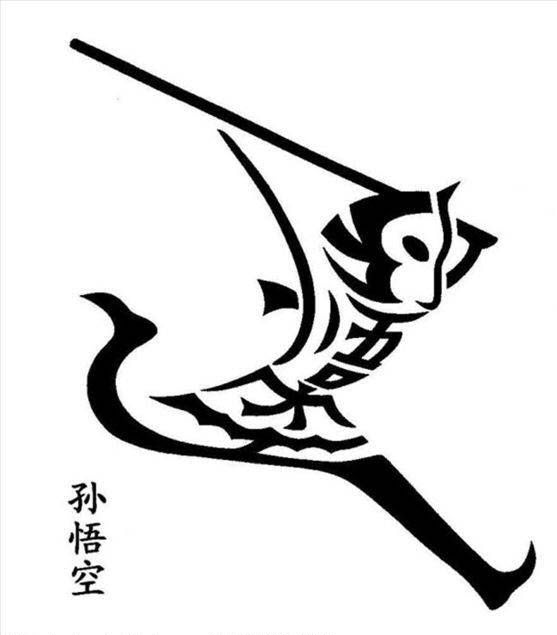
Chinese Character Art: Monkey King (孙悟空 sun wu kong)

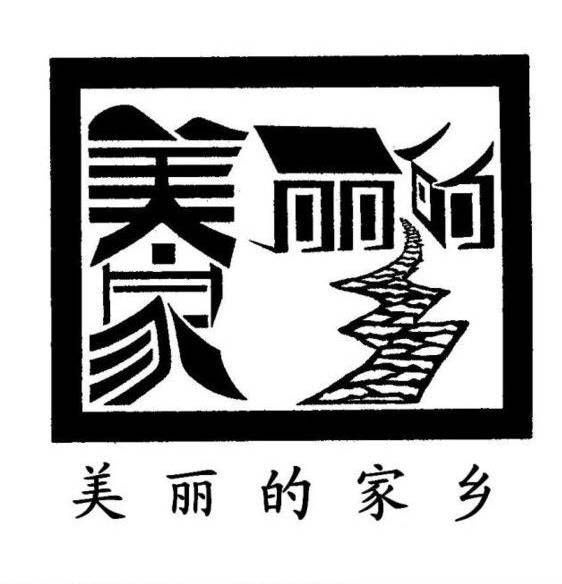
Chinese Character Art: Beautiful hometown (美丽的家乡 mei li de jia xiang)

Comments from Tiexue:

衣然美:

Talented, so many talented people!

油炸腊肉:

If it is changed to complex/traditional characters, it will be even more expressive.

flytigertw:

Love it, very creative, this artistic calligraphy is very well designed, favorited.

terryonline1978:

Really like it, extremely like it.

绍兴人:

This is the best thing I’ve seen in the past few years, one of the healthiest posts [I've seen]!

qqh0515:

So good, Hanzi [Chinese characters] can finally catch up to Arabic script. Muslim’s Arabic script is written like art.

真的无产者:

It can be an attempt at developing Chinese characters further…but we still need standardized Chinese characters…

sjszjs163:

So good, promotes Chinese characters to the highest field in the world.

天地将法道:

A combination of beauty and culture, very awesome.

Haha, this is so interesting, very aesthetically pleasing in comparison to foreign languages!

A combination of form and meaning, truly worthy of being the treasure of Chinese civilization, high-level Chinese script.

This is something the text of other languages are incapable of matching.

So the things of our ancestors should not simply be inherited and passed on but also developed and enhanced!!

驻亚洲美军总司令:

Humanity’s intelligence is endless!

cni:

Very good, very awesome, favorited.

永恒的小白:

Too niubi~ When making logos for Chinese companies, why hire those foreign designers?
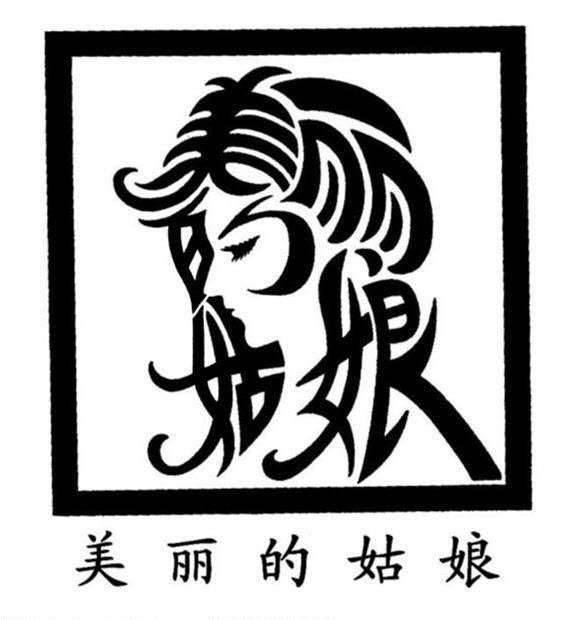
Chinese Character Art: Beautiful girl (美丽的姑娘 mei li de gu niang)

See above. chinaSMACK personals.

From Tiexue:

Share This Article

35 Comments

  • Some HTML can be used to format your comment.
  • Add a picture to your comments with Gravatar.
  • Our Comment Policy.
  1. awesome! Gonna show this to some colleagues and see how many they can guess :)

    (沙发?)

  2. first for the first time

  3. third

    more posts chinasmack!!!

  4. This process is very old in France and called “calligramme” (http://en.wikipedia.org/wiki/Calligram) by poet Guillaume Apollinaire.
    Search “calligramme” on Google.

  5. Very artistic and most enjoyable.

  6. I love the calls for traditional script because they’re right.

    On that note, have you seen simplified chinese calligraphy? It carries the same cultural impact as Nic Cage in the wicker man.

    “The bees are in my eyes!”

    • I hope you’re talking strictly about kaishu calligraphy, as simplified calligraphy is based on the xingshu and caoshu versions of words which came about as a much faster and simpler way to write/teach Chinese…

  7. this is pure art, splendid stuff…congratulate the creators

  8. Interesting pictures, I liked the 12 animals of the zodiac best.

    • Imagine how much more expressive the horse character (“ma”) would have been if it had been written the traditional way. With 4 galloping legs instead of a single abbreviated stroke. Yet another reason why simplified script sucks.

      • Or 龙 龍, meaning dragon. I agree I think traditional characters are much better and more meaningful than simplified characters. Why they simplified them in the first place I don’t know, and why they don’t just switch back I still don’t know. Most Chinese people I’ve met can at least read traditional characters even if they can’t write it.

      • Nope it would just look crowded.

        Why not argue that the Great Seal version of 马 would look better? It has a lot more strokes just like you like it.

      • Always the same boring ranting. First, Chinese script has been modified, simplified, stylicized etc. from its very beginnings. Second, character reform is the result of modernization discourses reaching back to the last quarter of the 19th century, and most of the arguments in favor are still valid. Simplified script eases writing and helps to spread the knowledge of Chinese script, whereas there is no major obstacle to adopt Fantizi later. Third, the more radical attempts to simplify further and in the end replace Chinese script by an alphabetic language (many scholars in the beginning of the 20th century considered that a prerequisite for China to modernize) have been abandoned, and traditional script is surviving for more formal or festive purposes. Fourth (and not so seriously): some combinations are good for memorizing, every time I see pictures of the enormous butt of Cixi, I remember that 后 means empress, too :)

        • aquadraht – All languages change over time, Chinese included. But there is an enormous difference between evolutionary change and change overnight. When you go to a Chinese museum and see a 400 year old piece of calligraphy, most people familiar with the language will be able to decipher it. It is that clear. When people like my parents pick up a 4 day old Chinese newspaper, they can’t make intelligible sense of it. And these are people whose native language is Chinese. What hope is there that simplified characters will make sense to readers 100 years or even 50 years from now?

          The beauty of Chinese characters is that they are laden with meaning. Take for example the character for love (“ai”). The traditional character has the sub-character for “heart” in the middle of “ai.” It is beautifully expressive. The simplified character for love dispenses with the heart, just to save 4 strokes. How expressive is the word “love” minus the heart?

          This is only a simple example but to me it reflects the lazy approach to any written language. If this were the English language, a similar approach would be to replace the word “encyclopaedia” with “pedia” or some other contracted version. It just doesn’t make sense.

          • the simplified 爱 has friendship in the bottom.
            the traditional 愛 has heart in the middle.

            I don’t know, both seem pretty meaningful to me.

            Simplification might not have been necessary, but there was obviously enough support for it at the time from academics and intellectuals for it to be adopted by Japanese, Singaporean, and PRC governments; the ROC also seriously considered it while they still ruled over the mainland.

          • I don’t know. Some of those 400 year old calligraphy pieces might contain some of the same forms that latter became simplified forms — since many of the forms come from existing calligraphy styles.

            I don’t know anything about your parents, though I think if they are literate in baihua they should be able to get some meaning out of a newspaper in simplified or traditional. Perhaps you were exaggerating. In any case, I would only suspect that MORE people would be educated in simplified 50 years from now. In 100 years, characters might be abandoned all together for all we know.

            Also “encyclopedia” is an acceptable form in American English. When people say that a spelling or a change to a writing system “just doesn’t make sense” I always wonder why. Writing, after all, is arbitrary, continuing a historical tradition that likely never fully “made sense” to everyone. If we devised a system for writing English with Chinese characters and society somehow accepted it, children would learn it and deal with it just the same.

          • Pervertt, I hope you never you any contractions, because they could be seen as “simplified” English… right? Or how about lol, or brb, or any other internet lingo that has evolved out of EASE, right? English has taken just about any meaning out of a word anyways, so why argue about the meaning leaving Chinese words?

            While I think the arbitrariness of some of the character changes (why is 言 not written like the radical of it in 请, since 车 has changed in its original form and as a radical like in 连) it evolved for a reason, JUST AS EVERY OTHER FORM OF CHINESE SCRIPT. Kaishu evolved as a smoother, faster way than seal script, xingshu because it is even faster than kaishu to write, and caoshu which is fastest (though arguably is more artistic with far less emphasis of “correctness” of the written character).

          • the Chinese alphabet, though, is significantly more difficult to learn to read and especially write than any other living alphabet. Perhaps it was naecessary to simplify it, so as to allow people to achieve literacy faster. Even now it takes chinese children many years to learn to read and write. Doesn’t this argument mean anything to you?

  9. lol still cant read LAMO!

  10. The last one is so good! I am going to show these pics to my students!

  11. With this Chinese are going back to the roots of Chinese character. Pictures!!

  12. Confucius say … it is.

  13. I like this :) It’s Cool

  14. Where can I learn how to do this?

  15. Ditto. A humorous and or amusing art project but you already have beautiful characters. Give the artist his paton the back an move on.

  16. Well yeah, obviously it’s dumb to place appearance over functionality when talking about writing. Nonetheless, these pictures are pretty damn sweet and whoever made them is clearly rather talented, but where is the more day-to-day language; who’s working on 妈个大逼?

  17. Hanzi could rule. Han Han is right, this is how we should use creativity, instead of creativity in censoring. I agree with him. China cannot be a cultural power until the energy for creativity exceed the energy for censoring. Look to Tibetans, even at the point of a gun they will stubbornly continue to use their culture. This is how we should be. Beautiful images above.

Personals @ chinaSMACK - Meet people, make friends, find lovers? Don't be so serious!»